Your guide to growing food at home and turning it into simple, healthy meals you’ll actually enjoy cooking and eating.

Have you ever noticed how much better you feel after spending time in the garden?
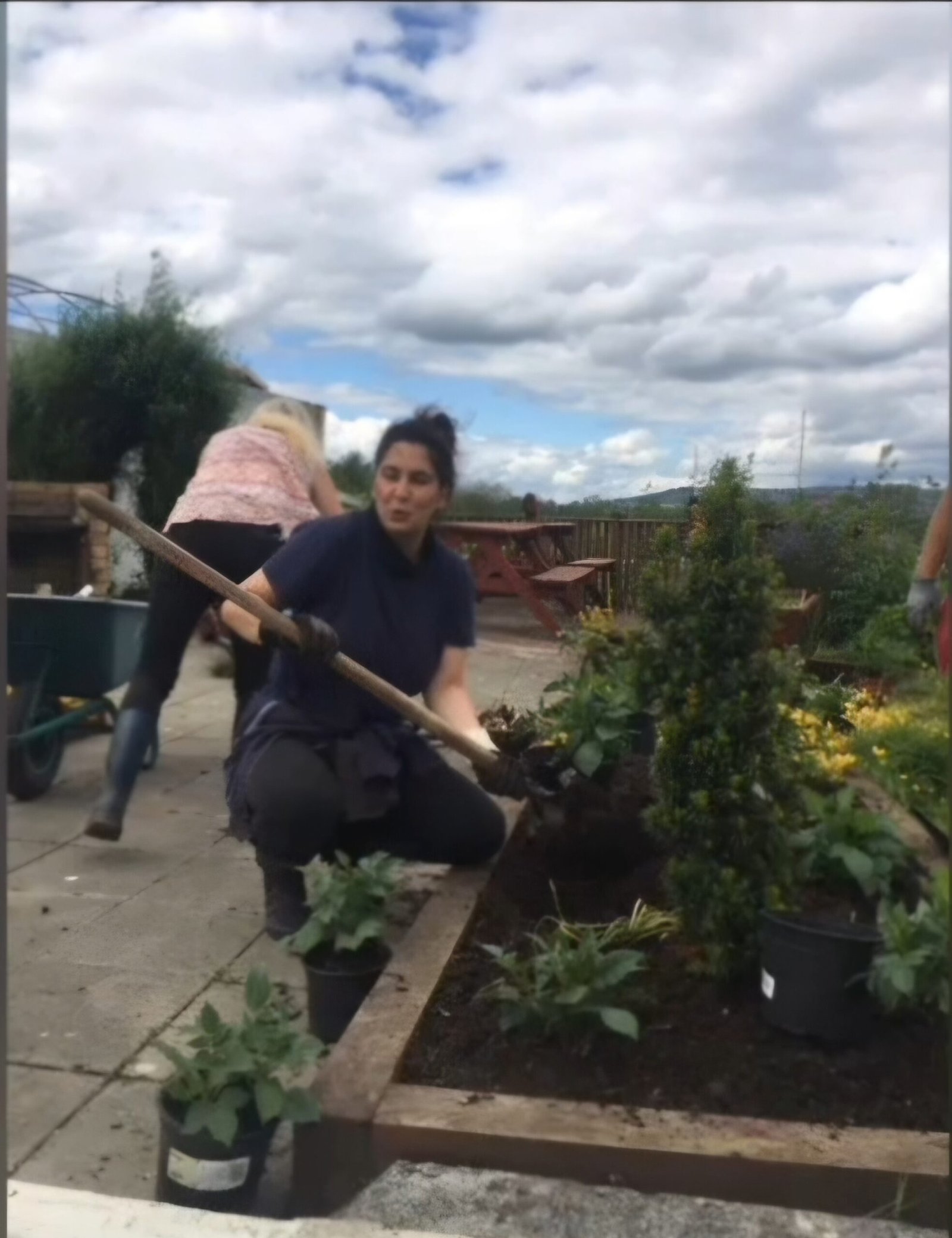
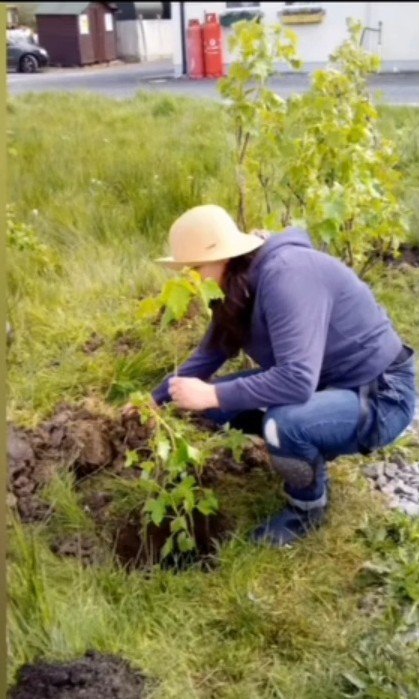
Whether you’ve been planting vegetables, pulling a few weeds or simply watering your flowers, there’s often a sense of calm that follows. It’s not just your imagination: research suggests that gardening can support physical, psychological and social wellbeing (Soga et al., 2017).
Modern life often keeps us indoors and sitting for long periods. Gardening gives us an opportunity to step outside, enjoy natural light and move our bodies. It also helps us reconnect with the natural world and perhaps with a slower, more grounded way of living.
That’s one of the reasons gardening feels so rewarding.
A garden encourages us to slow down. Unlike so much in life, it can’t be rushed. Seeds need time to grow, plants need care, and every season brings something new to learn.
Gentle exercise without the gym
Digging, planting, lifting pots and watering keep the body moving while supporting strength and flexibility. The World Health Organization recognises that physical activity includes movement during work, recreation, travel and everyday tasks not only formal exercise (World Health Organization, 2020).
Best of all, gardening may not feel like a workout because your attention is on creating and caring for something rather than counting steps.
A calmer mind
Looking after plants gives us something positive to focus on. The colours, sounds and textures of a garden can help us pause and become more aware of the present moment.
Research into the restorative benefits of nature suggests that natural environments can help us recover our ability to focus after periods of mental fatigue (Kaplan, 1995).
You don’t need a large outdoor space to bring more nature into your life. A few pots on a patio, flowers on a balcony or herbs on a windowsill can be a simple place to begin.
Fresh food from your own garden
Growing food offers another kind of reward. There’s something special about picking fresh lettuce, tomatoes or herbs and taking them straight to the kitchen.
Many gardeners feel that homegrown produce tastes better. Growing it also gives us a closer connection to our food and a greater appreciation for the time and care behind every harvest.
Learning patience, one season at a time
Perhaps one of gardening’s greatest gifts is patience.
Not every seed will grow, and not every season will go to plan. Weather changes, pests appear and plants sometimes struggle despite our best efforts. Yet each setback teaches us something, and every year gives us an opportunity to begin again.
At Nature on a Plate, we believe gardening is about much more than growing food. It’s about building a healthier lifestyle, finding moments of peace and reconnecting with the natural world.
You don’t need to transform your whole garden today. Start with one pot, one herb or one packet of seeds.
Sometimes, all it takes is planting one small seed.
References
Kaplan, S. (1995). The restorative benefits of nature: Toward an integrative framework. Journal of Environmental Psychology, 15(3), 169–182.
Soga, M., Gaston, K. J., & Yamaura, Y. (2017). Gardening is beneficial for health: A meta-analysis. Preventive Medicine Reports, 5, 92–99.
World Health Organization. (2020). WHO guidelines on physical activity and sedentary behaviour.
Further reading
Royal Horticultural Society. Gardening for health and wellbeing.